My Identity
Discover how teachers shaped my identity. A tribute to mentors who guided me, inspired by Arjun's wisdom of being a student first.
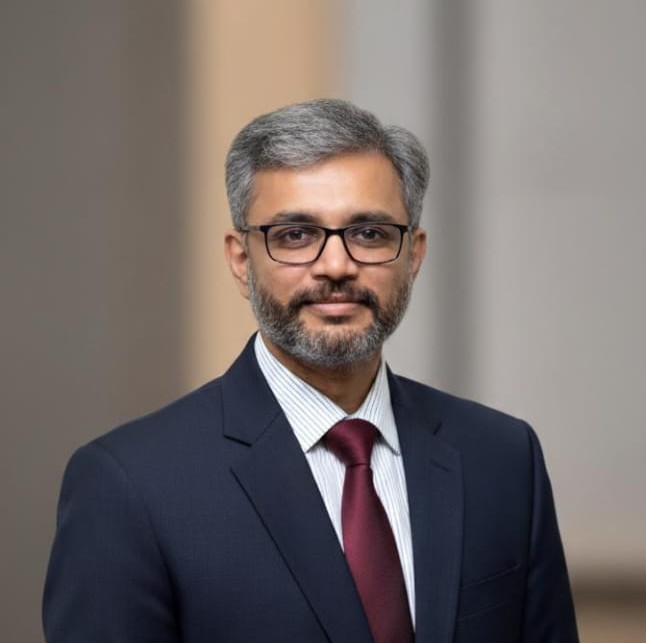
Few words dedicated to people who made me who I am right now, my teachers. I know few of them personally and a few others I am yet to meet in person. But they are still there always for me. Guiding me and helping me whenever and wherever I need. Words are not enough to say thanks, but still here with my small try.
Here is the original Gujarati version:
જેને કોઈ ઓળખની જરૂર નથી
જેની પ્રતિષ્ઠા ચંદ્રની જેમ વિશ્વમાં વ્યાપ છે
એવા અર્જુનની ઓળખ પૂછી કોઈએ
ના કીધું એણે કે હું અર્જુન
ના કીધું સર્વશ્રેષ્ઠ ધનુર્ધર
ના કીધું પાંડવ
ના કોન્તેય
ના કહ્યું એણે કે મારી ઓળખ તો મારા દસ નામ
ના કૃષ્ણનો મિત્ર કહ્યો,
ના ઇન્દ્ર નો વંશજ
ના એની ઓળખ ગાંડીવે આપી,
ના પાશુપત અસ્ત્રએ
હર સમય હર સંજોગમાં
એણે એજ કહ્યું કે
હું મારા ગુરુનો શિષ્ય
અને એજ મારી ઓળખ
એ અર્જુન તો મોટોભા થયો
એની સામે મારી શું વિસાત ને
શું ઓળખ
પણ મને જો કોઈ મારી ઓળખ પૂછી લો
તો હું ભી એજ કહું કે
હું મારા ગુરુનો શિષ્ય
અને એજ મારી ઓળખ
And here it is, in English (courtesy Dharman Dave)
He who doesn't need an introduction
He whose prestige is known to the world
like the moon
Someone asked that Arjun for his identity
Neither did he say I am (the famous) Arjun
Nor did he say I am the great archer (best of the best)
Neither did he say he was the son of Pandu
Nor the son of Kunti
He also didn't say, "My identity is my ten names"
Neither did he say, "I'm a friend of (Lord) Krishna's"
Nor a descendant of (God)
Indra
Neither was he identified by Gandiv (indestructible bow)
Nor by the Pashupat weapon (destroyer arrow)
Every time and under all circumstances he said the same thing:
"I am a student of my teacher and that is my only identity"
That Arjun is a legend
I am nothing compared to him,
so is my identity
But if someone asks for my identity
I would also say the exact same thing:
"I am a student of my teacher and that is my only identity"
Frequently Asked Questions
The blog post emphasizes that true identity comes from being a student of one's teachers, not from external achievements, titles, or possessions. Through the example of Arjun from Hindu mythology, the author illustrates how even the greatest and most accomplished person can define themselves primarily through their relationship with their mentors and the knowledge they've gained from them.
Arjun is used as a powerful example because despite being famous, skilled, and accomplished—with titles, divine connections, and legendary weapons—he consistently chose to identify himself only as his teacher's student. By referencing this legendary figure, the author shows that this principle of valuing one's teachers above all achievements is timeless and worth emulating.
Society typically defines identity through accomplishments, titles, wealth, fame, or lineage. This blog post challenges that approach by suggesting that the most meaningful identity is rooted in learning and mentorship. It prioritizes the relationship with teachers and continuous growth over external validations and material or social status.
Yes, by recognizing and honoring the role of teachers and mentors in shaping who you are, and choosing to define yourself through the values and knowledge they've imparted rather than just your accomplishments. This means acknowledging that being a lifelong learner and student is a source of pride and identity, regardless of your achievements or social position.